Free 4-Week Cursive Alphabet Lesson Plan: Teach Cursive at Home
Looking for a structured, free, and effective way to teach cursive handwriting? This 4-week cursive lesson plan offers a rewarding path for both teachers and students, guiding learners from basic letters to fluent writing. Our step-by-step curriculum leverages the comprehensive, free resources available right here on our website, making the process simple and achievable.
Crafting Your Cursive Curriculum for Teachers
Before diving into the weekly breakdown, setting the stage for success is crucial. A prepared environment and a clear understanding of the learning process give your student the confidence and tools they need to thrive.
Why a Structured Cursive Plan Matters for Learners
A haphazard approach to learning cursive leads to frustration and bad habits. A structured learning plan provides a clear roadmap, building skills incrementally from simple strokes to complex sentences. This methodical progression ensures learners master each concept before moving on, building confidence and muscle memory. A consistent practice routine reinforces correct techniques, leading to legible, elegant handwriting and transforming a tedious task into an achievable goal.
Essential Supplies for Your Cursive Journey (Beyond the Pen)
You don't need expensive equipment to get started. The right learning tools are simple and accessible. Here’s what you’ll need:
-
Smooth Paper: Lined paper designed for handwriting practice is ideal. It helps learners maintain consistent letter height and slant.
-
Comfortable Writing Instrument: A smooth-flowing pencil or a pen that doesn't require much pressure is best to avoid hand fatigue.
-
A Positive Attitude: Encouragement and patience are your most powerful tools. Celebrate small victories and focus on progress, not perfection.
-
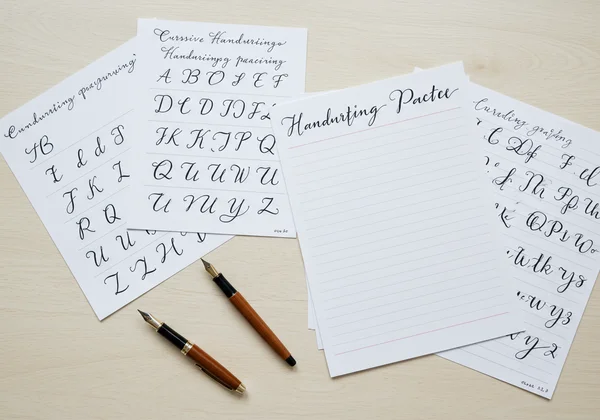
Printable Worksheets: This is where our site becomes your best friend. Access our complete library of free cursive alphabet worksheets for every letter and practice stage, saving you from buying workbooks.
Your 4-Week Cursive Lesson Plan: A Step-by-Step Guide
Here is a detailed, week-by-week guide to take a complete beginner to a confident cursive writer. This plan is flexible, so feel free to adjust the pace based on the learner's progress.
Week 1: Mastering Individual Cursive Letters (Lowercase & Uppercase)
This week's goal is building a strong foundation by mastering the alphabet. Don't rush this step; correct letter formation is essential for legible writing.
-
Focus: Introduce lowercase letters first, grouping them by stroke pattern. For example, start with letters that begin with an "undercurve" stroke (i, u, w, t, r, s) before moving to "overcurve" letters (n, m, v, x, y, z) and loop letters (e, l, h, k, b, f).
-
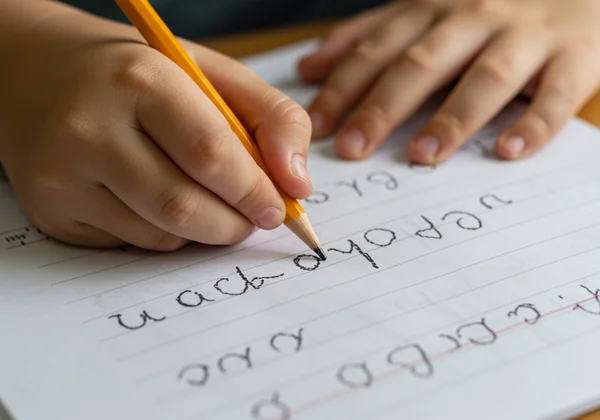
Activities: Use our dedicated A to Z worksheets for each letter. Have the student trace the letter multiple times, then practice writing it on their own. Focus on the starting point, stroke direction, and ending point.
-
Goal: By week's end, the learner should write all lowercase and uppercase letters from memory with reasonable accuracy. Consistent, short practice sessions are key.
Week 2: Connecting Cursive Letters & Forming Words Seamlessly
Now that the alphabet is mastered, the magic begins: connecting letters into words. This week focuses on creating smooth, flowing transitions.
- Focus: Teach the four basic letter connections: baseline connections (like in "an"), top connections (like in "on"), top-to-mid connections (like in "be"), and more complex combinations.
- Activities: Start with simple two-letter combinations. Our practice sheets often include these common pairings. Progress to short, three- or four-letter words like "cat," "sun," and "jump." Encourage the learner to keep their pencil on the paper until the entire word is complete.
- Goal: The learner should comfortably connect letters and write simple words without lifting their pen, building good cursive writing practice habits.
Week 3: Practicing Cursive Sentences & Building Fluency
Now, we string words into sentences. This week develops rhythm, proper spacing, and cursive fluency. The goal is for writing to feel natural, not like a letter-by-letter exercise.
-
Focus: Maintain consistent slant, size, and spacing between words. Introduce punctuation and practice incorporating it smoothly.
-
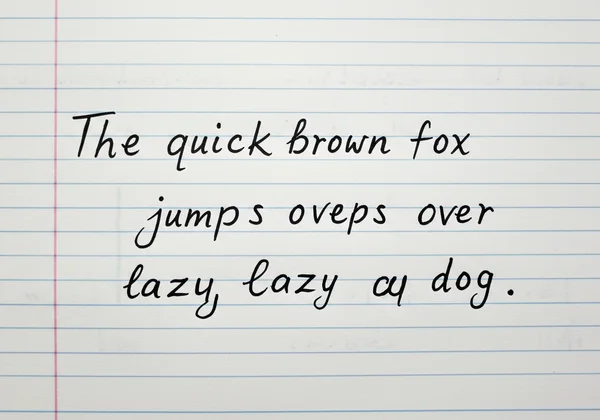
Activities: Begin with short, simple sentences. Writing pangrams (sentences containing every letter of the alphabet), such as "The quick brown fox jumps over the lazy dog," is an excellent and fun way to practice. Have the learner copy inspirational quotes or passages. Use our blank lined printable practice paper for these exercises.
-
Goal: The learner should write complete sentences with consistent flow and legibility. Speed will increase naturally with confidence.
Week 4: Creative Cursive Application & Comprehensive Review
The final week applies new skills in creative and practical ways, reinforcing all lessons while making it fun. Learners see the real-world value of their hard work.
- Focus: Review any letters or connections that still pose a challenge. Encourage creativity and personal expression through handwriting.
- Activities: Engage in engaging activities like writing a thank-you note, creating a handmade birthday card, or journaling. For a fun digital twist, show them how our cursive font generator instantly transforms typed words into elegant script, which can inspire their own writing.
- Goal: Solidify skills through practical application and build a lifelong appreciation for cursive. The learner will feel proud and equipped to practice independently.
Practical Tips for Teaching Cursive Effectively
How you teach significantly impacts a learner's success. Here are expert tips to make the process smoother.
Making Cursive Learning Fun and Engaging for All Ages
To keep motivation high, incorporate fun learning into your routine. Use colorful pens, create cursive word searches, or write secret messages to decode. For younger students, practicing in sand or on a whiteboard offers a great sensory experience. The key is to associate cursive with play, not just rote memorization.

Common Cursive Challenges and How to Overcome Them
Learners will face challenges like consistent slant, proper spacing, and hand fatigue. Address these proactively. Use slanted-line paper to guide slant. For spacing, teach the "o" rule (space between words equals a lowercase "o"). Prevent fatigue by encouraging a relaxed grip and short breaks.
Leveraging Our Free Resources for Every Stage
Our website is your all-in-one companion for this lesson plan. From printable worksheets for Week 1 to blank paper for Week 3, we have you covered. Use our interactive tools and quizzes to demonstrate formation and check progress. Every resource needed for this plan is free and instantly accessible. Explore our tools today.
Start Your Cursive Teaching Journey Today!
Teaching cursive is a lifelong gift, improving fine motor skills and connection with written language. With this 4-week plan and our free resources, you can guide your student toward beautiful, confident handwriting. Embrace the process and celebrate their progress as they master this timeless art.
Ready to begin? Visit our homepage to download your first worksheet and embark on this rewarding journey!
Frequently Asked Questions About Teaching Cursive
How can I quickly learn cursive or teach it effectively?
Consistency over intensity is key. Follow a structured plan, like our 4-week guide, to cover foundational skills logically. Use our free practice sheets available here for daily practice. Short, daily 15-20 minute sessions are more effective than one long weekly lesson.
What is the best way to start learning cursive for beginners?
Start with the basics. The best way for a beginner is to master individual lowercase letters by stroke pattern (see Week 1). Focusing on correct formation early prevents bad habits. Don't rush into connecting letters until individual forms are second nature.
How do you introduce the cursive alphabet to a child?
Make it a playful adventure. Introduce letters with stories or associate them with familiar shapes. Use multi-sensory methods like tracing in sand or on a tablet. Maintain a positive tone, celebrating effort over perfection. Our fun worksheets make introducing the cursive alphabet an exciting experience.